
The Role of All SS Vibration Absorbers in CO2 (R744) Systems
CO2 is the future of sustainable refrigeration, but it’s a high-pressure beast. If you’re still using the same components for R744 that you used for R134a, you’re in for a shock. The vibration patterns are different, and the pressures are lethal.
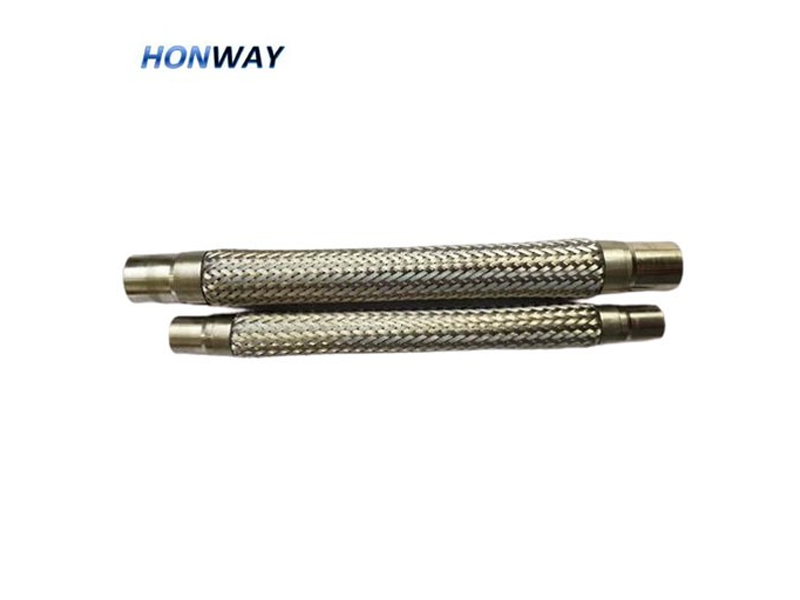
In CO2 (R744) refrigeration, a Stainless Vibration Absorber is required to manage working pressures that can exceed 120 bar in transcritical systems. Unlike traditional units, CO2-rated absorbers utilize multi-ply bellows and high-density 304/316L stainless steel braiding. TIG welding is mandatory to ensure the joints can withstand the high discharge temperatures (often above 100°C) without losing structural integrity.
We’ve noticed that many supermarket projects in Europe are switching to CO2 to meet F-gas regulations. But here’s the problem: CO2 compressors are typically reciprocating and run at higher speeds, creating high-frequency pulsations.
A standard refrigeration vibration absorber might literally "sing" or hum before the bellows fatigue. In real projects, we’ve found that we need to adjust the "pitch" (the distance between the waves in the bellows) to tune out these specific frequencies.
The Pressure Spike Problem:
What many buyers overlook is the "standstill pressure." When a CO2 system shuts down, the pressure can rise significantly. A standard absorber might "balloon"—the bellows expand, and the braid stretches to its limit. Honway’s All SS Vibration Absorber for CO2 is tested to burst pressures far exceeding 400 bar to handle these exact scenarios.
Engineering Insight: Multi-Ply Bellows.
For ultra-high-pressure CO2, we don't just make the metal thicker. Thicker metal is stiffer, which defeats the purpose of a vibration absorber. Instead, we use "multi-ply" technology—two or three thin layers of stainless steel nested together. This keeps the unit flexible while dramatically increasing its pressure rating.
FAQ:
Q: Why can't I use copper-end absorbers for CO2?
Standard copper ends aren't rated for the 120 bar pressures of transcritical CO2. Also, the brazing material can weaken at the high temperatures common in CO2 discharge lines.
Q: Are Honway absorbers UL recognized for CO2?
Yes, we have specific models UL-listed for high-pressure R744 applications.
Q: How do I select the right size for a CO2 line?
Since CO2 lines are typically smaller than HFC lines for the same capacity, you must be careful not to create a pressure drop. Match the ID of the absorber perfectly to your pipe ID.
Q: Can these handle the "thermal shock" of a CO2 defrost cycle?
Yes. Stainless steel’s coefficient of expansion is well-suited for the rapid temperature swings in CO2 systems.
Q: Does Honway offer 316L for CO2 applications?
Yes, we highly recommend 316L for any industrial CO2 application to ensure maximum longevity.
CO2 is an unforgiving refrigerant. By choosing a high-spec refrigeration vibration absorber, you are protecting your system against the unique stresses of the R744 cycle.
<<Next:Why Your Refrigeration Vibration Absorber is Failing