
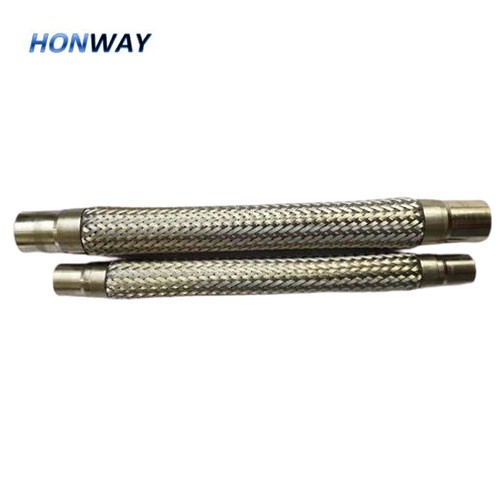
Refrigeration system leaks are a problem that contractors, equipment manufacturers, and end-users alike wish to avoid. Such leaks can manifest as reduced cooling performance, frequent compressor protection trips, increased energy consumption, equipment alarms, and the need for repeated service visits. Often, leaks do not appear immediately after installation but emerge gradually after the equipment has been in operation for some time. The cause is not necessarily poor quality in a specific valve or weld point; rather, it often stems from the accumulation of localized fatigue caused by long-term exposure to vibration, pressure cycling, and temperature fluctuations. In CO2 refrigeration systems, the high-pressure operating conditions make proactive risk management even more critical.
Users share a common goal: making refrigeration piping more reliable. Leak prevention cannot be achieved through maintenance alone; it requires a holistic approach spanning design, materials, connections, testing, and installation. HONWAY’s all-stainless-steel vibration absorber for CO2 systems is designed specifically to address this need.
The Hidden Cause of Leaks: Vibration Subjects Connection Points to Repetitive Stress
The compressor is the primary source of vibration in a refrigeration system. During operation, mechanical movement and pressure pulsations are transmitted through discharge lines, suction lines, and mounting structures. If piping connections are completely rigid, vibration energy concentrates at weld points, elbows, bracket edges, or transition joints. While these areas may show no abnormalities in the short term, long-term exposure to repetitive stress causes material fatigue, eventually leading to cracks or micro-leaks.
CO2 systems subject piping and joints to higher pressures, placing greater demands on vibration-dampening components. A professional refrigeration vibration absorber absorbs displacement near the vibration source and reduces the intensity of vibration transmitted along the piping, thereby minimizing fatigue at weld points. Its value lies not in replacing proper installation practices, but in complementing sound piping design, bracket layout, and system testing to collectively reduce the risk of leaks.
Why Is the End-Fitting Structure Crucial for Leak Control?
When evaluating vibration absorbers, many customers focus on the thickness of the braided flexible hose in the center while overlooking the design of the end fittings. In reality, the end connections are often the critical zones where vibration absorbers endure complex stresses. The tube body must absorb vibrations, the fittings must maintain a pressure-tight seal, the braided layer requires a secure bond with the ends, and welded joints must withstand long-term fatigue. If end-processing is inconsistent, products may look alike on the surface, yet differ vastly in actual reliability.
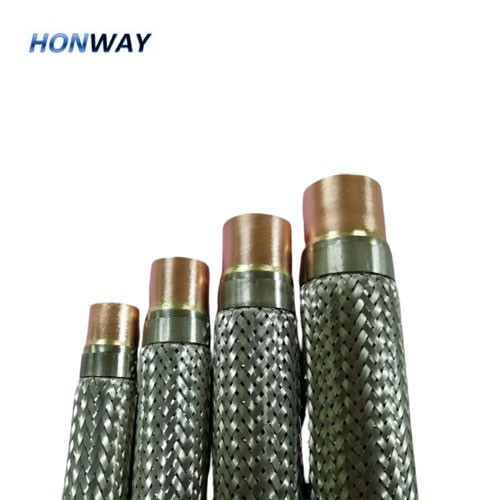
HONWAY products feature TIG-welded stainless steel ferrules at each end, with the braided layer secured by a high-pressure crimping machine. These details directly address customer concerns regarding the risks of leakage and component detachment. For CO2 vibration absorbers, the welding, crimping, and sealing structures at the ends should be key focal points during procurement audits.
Helium Leak Testing and Hydrostatic Testing: Mitigating Risk Before Shipment
If a leak in a refrigeration system occurs at the end-user site, the cost of remediation far exceeds that of factory testing. Addressing a leak may require system downtime, refrigerant recovery, leak detection, re-welding, evacuation, and recharging—potentially disrupting operations at supermarkets or cold storage facilities. Consequently, high-quality suppliers identify issues through testing prior to shipment. HONWAY’s CO2 vibration absorbers undergo both helium leak testing and hydrostatic testing—procedures that are central to customer priorities when sourcing high-pressure refrigeration components.
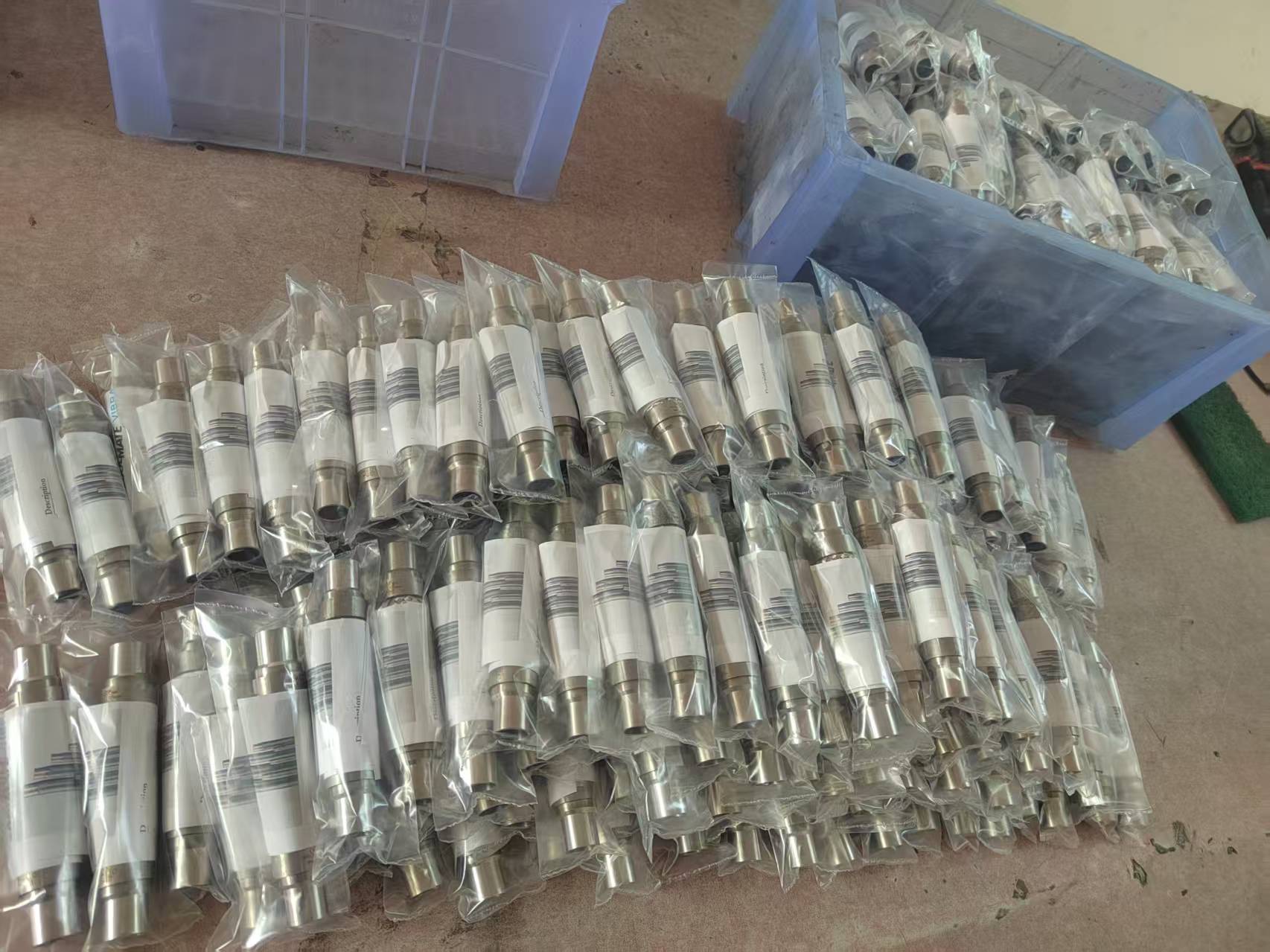
Helium leak testing detects minute leaks to verify sealing integrity, while hydrostatic testing validates structural strength under pressure. Although these tests address different types of risks, they share the common goal of enhancing product stability.
The Significance of Stainless Steel for CO2 Systems
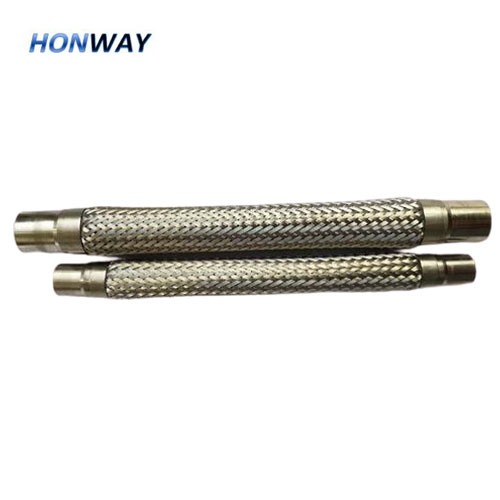
The all-stainless-steel construction of these vibration absorbers makes them ideal for refrigeration systems with demanding requirements regarding strength, temperature, and corrosion resistance. An internal corrugated bellows provides flexibility, an external wire braid enhances pressure-bearing capacity, and stainless steel fittings and ferrules ensure material consistency. For CO2 applications, this structural combination helps minimize risks associated with material incompatibility or insufficient strength.
However, a stainless steel bellows should not simply be as soft as possible. Refrigeration vibration absorbers must operate within specified displacement limits; installation should avoid excessive stretching, twisting, or bending at tight radii. Proper product selection is just as crucial as correct installation. Suppliers who provide installation guidance, specification advice, and operational precautions alongside their products are more likely to earn the trust of engineering clients. Mitigating leakage risks begins at the procurement stage.
Many leakage issues stem from decisions made during procurement—such as selecting hoses not specifically designed for refrigeration to cut costs, focusing solely on a sample's appearance without verifying pressure test results, overlooking certifications and batch consistency, or applying standard system vibration absorber specifications to CO2 projects. While these practices may save money in the short term, they often lead to higher maintenance costs during operation. For equipment manufacturers, a stable supply chain and verifiable quality control do more to protect the brand than simply securing the lowest price for a single order.
As a supplier of refrigeration shock absorber, HONWAY offers a wide range of products—including vibration absorber hoses—and provides integrated solutions for pipeline vibration damping and flexible connections. This allows customers to address various piping connection needs through a single supplier, minimizing compatibility issues that arise when sourcing from multiple vendors.
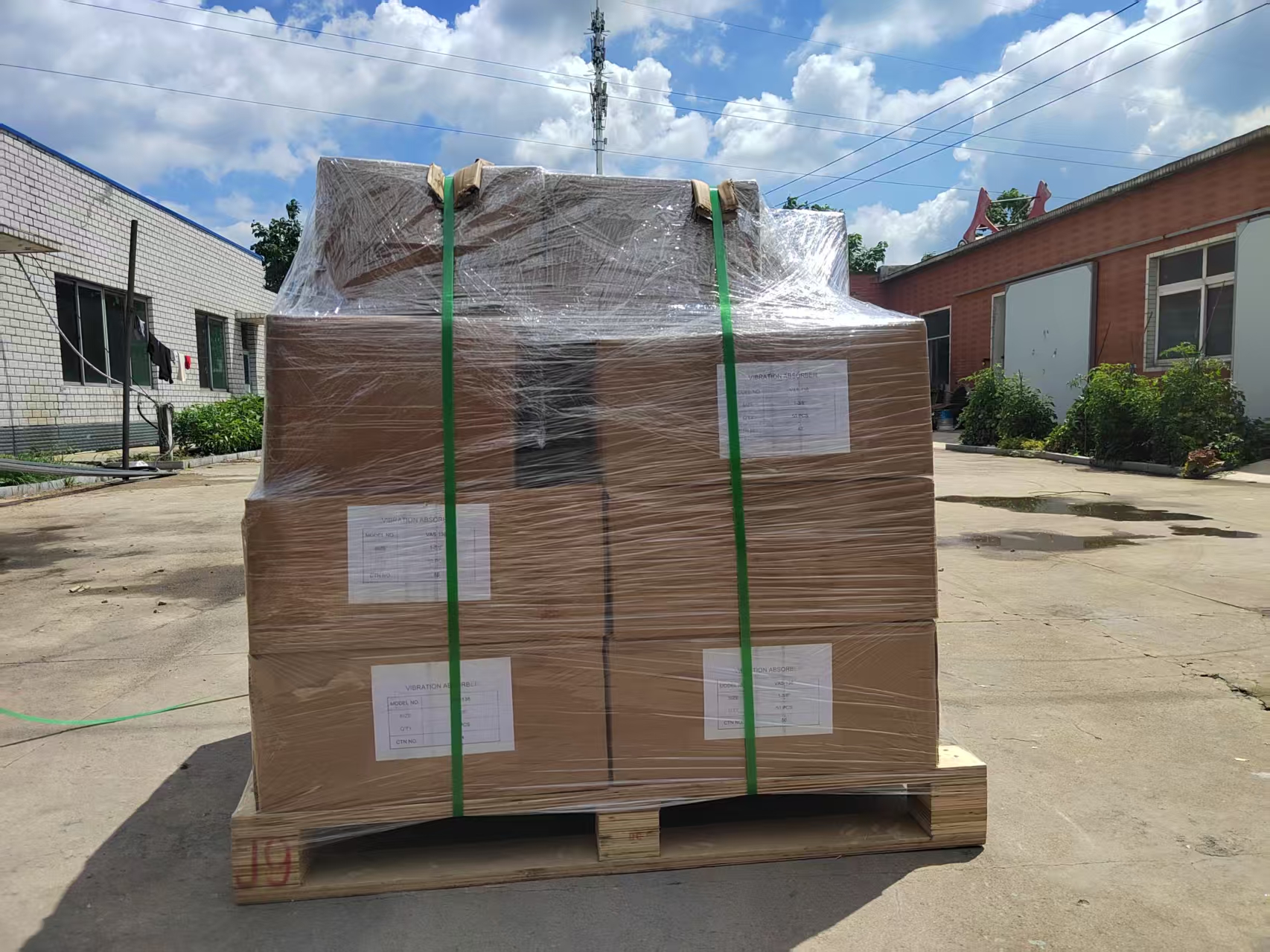
For customers seeking refrigeration or CO2 vibration absorbers, HONWAY offers four key advantages: first, an all-stainless-steel construction suitable for demanding refrigeration applications; second, enhanced end-fitting reliability achieved through TIG welding, high-pressure crimping, and rigorous leak testing; third, a 2–4 week delivery lead time and a production capacity of 1,000 units per day to support OEMs and engineering projects; and fourth, the availability of sample orders, allowing customers to test the product and verify quality firsthand before committing to a long-term partnership. Leakage control is a systematic process, and specialized vibration absorbers play a critical role in it.
With over a decade of industry experience, we are fully confident in our ability to deliver successful projects. Refrigeration vibration absorber hoses are a flagship product line for us, and we welcome your inquiries.