

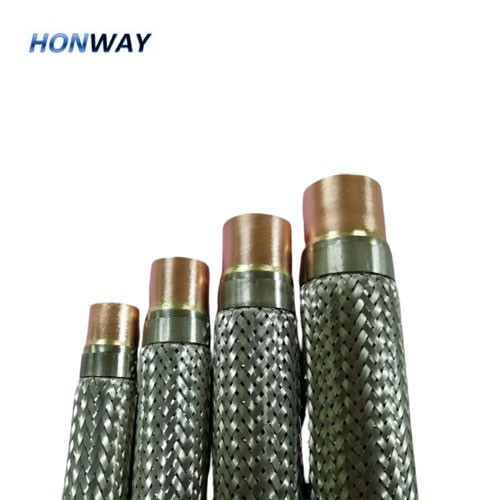
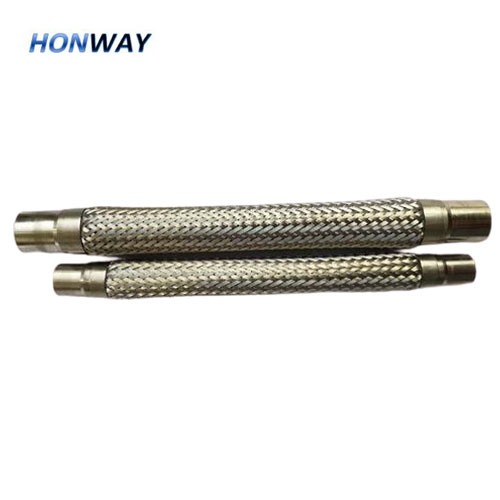
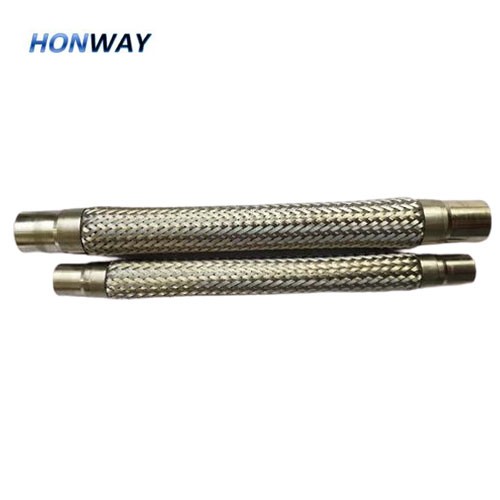
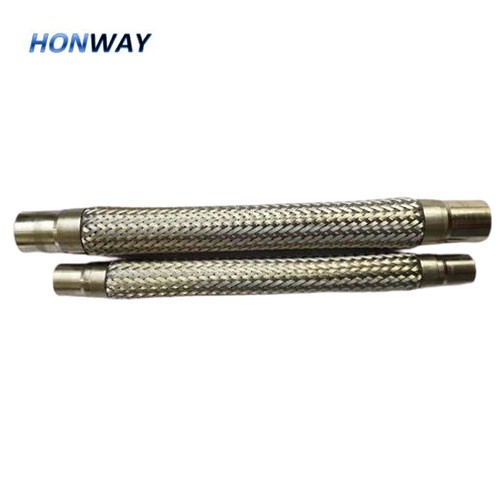
A refrigeration vibration absorber (also known as a vibration eliminator) is a flexible, metal-braided hose designed to isolate and dampen compressor-induced noise and vibration in HVAC and refrigeration piping. Typically constructed with deep-pitch stainless steel corrugated bellows and a high-tensile wire braid, these components operate at working pressures from 13 bar to 44.8 bar (650 psi) and within temperatures ranging from -40°C to +120°C. By absorbing mechanical oscillation perpendicular to the pipe run, they protect brazed copper joints from fatigue cracking and prevent catastrophic refrigerant leaks.
Why Pipe Cracks and Leaks Keep Happening.
We’ve noticed that many commercial cold room installers and industrial HVAC contractors are moving away from rigid hard-piping near compressor racks. The reason is simple: when a high-torque reciprocating compressor starts up or shuts down, the physical twist puts immense rotational stress on the suction and discharge lines. Without a dedicated vibration-damping interface, that energy has to go somewhere. Usually, it travels straight down the copper line until it finds a weak brazed joint or a rigid pipe hanger. Then, it cracks.
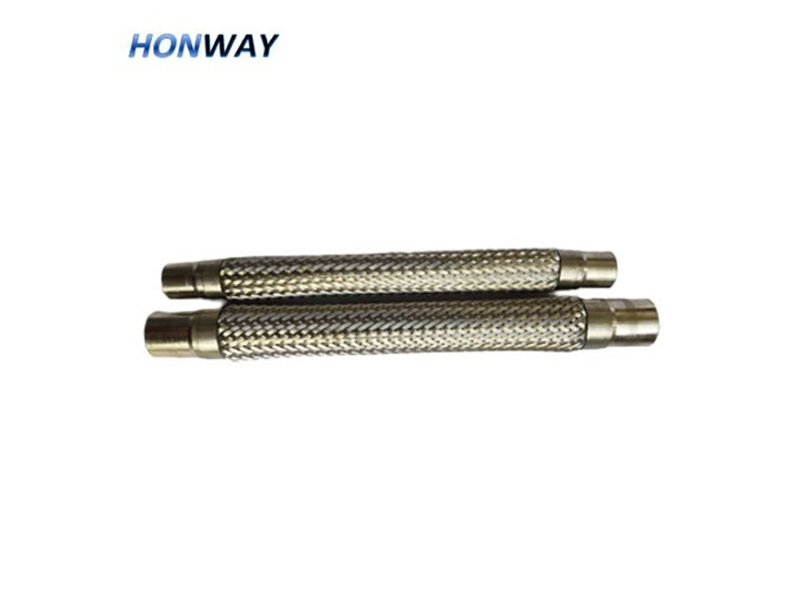
What many buyers overlook is that not all flexible hoses are built to withstand these intense thermal and mechanical cycles.
Here’s the problem: a standard corrugated hose might look fine on a catalog page, but under continuous system pressure changes, cheap braze joints and low-density braiding fail. If you have spent any time in commercial plant rooms, you have likely seen a vibration absorber split open because its braiding was too loose, allowing the internal bellows to over-elongate and rupture.
This Is Where Things Get Tricky: The Construction Realities
Honestly, this is where many buyers get confused. They look at two different stainless steel hoses on paper, and they seem identical. In actual projects, though, the engineering details underneath the braid change everything.
To choose or design a refrigeration vibration absorber that can handle years of compressor operation, you need to understand three core manufacturing factors:
1. Bellows Geometry and Pitch
The flexibility of the absorber depends on the bellows. Shallow corrugated tubes are cheaper to produce, but they are stiff. Under constant high-frequency vibration, they quickly experience fatigue cracking. Heavy-duty applications require deep-pitch stainless steel corrugated tubing (typically SUS 304 or 316L). The deeper wave profile distributes the mechanical flex across a larger surface area, greatly extending the working life of the part.
2. High-Pressure Clamping and TIG Welding
In a standard absorber, the wire braid is simply shoved under a ferrule and soldered. If the soldering is uneven, the wire braid slips out under pressure. High-quality manufacturers like Honway use a dedicated high-pressure clamping machine to lock the high-tensile stainless steel wire braid into place first.
Each end is then TIG (Tungsten Inert Gas) welded using stainless steel ferrules. This completely isolates the structural mechanical joint from the thermal brazing process when connecting the copper end-fittings, ensuring the hose does not fall apart when a technician heats it up in the field.
What Separates Honway Premium Manufacturing From the Rest?
When evaluating OEM/ODM manufacturing partners for vibration eliminators, you cannot rely on visual inspection alone. You must look at the quality assurance protocols behind the factory doors.
Helium Mass Spectrometer Leak Detection: Many mass-market factories rely on standard air-under-water bubble tests. While this catches massive splits, it misses microscopic leaks that will slowly drain a system's refrigerant over six months. Premium factories utilize automated helium vacuum chamber testing on 100% of their production run.
Strict Material Traceability: Only virgin SUS 304/316L stainless steel wires and sheets should be used. Recycled stainless steel often contains trace impurities that lead to stress corrosion cracking, especially in coastal or industrial environments exposed to sulfur and chlorides.