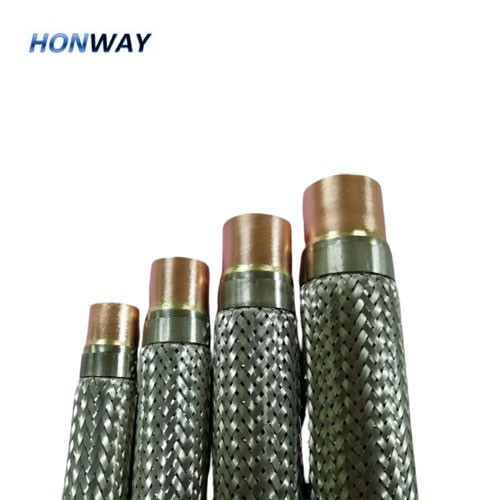
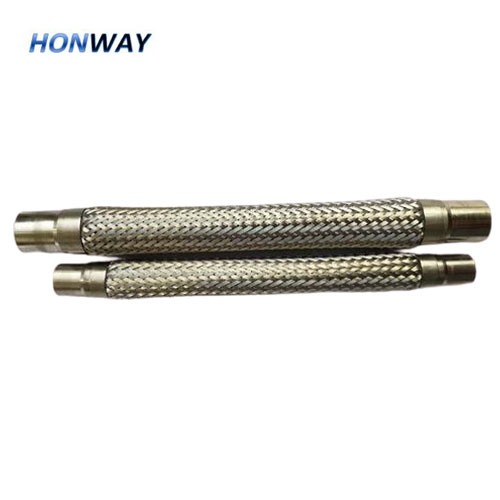
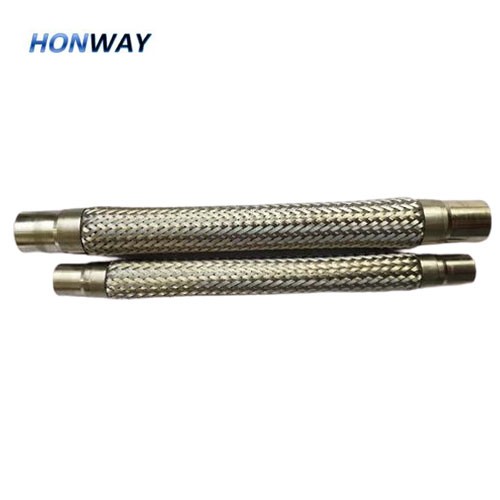
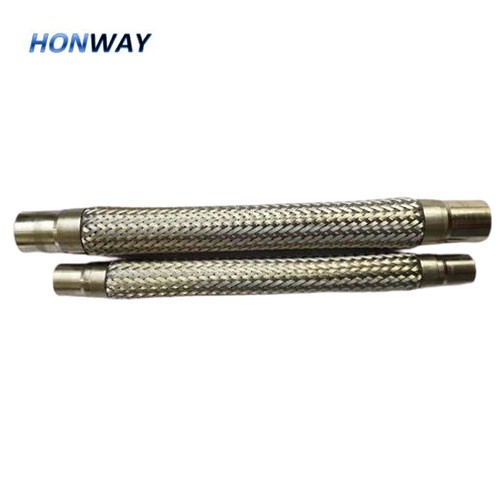
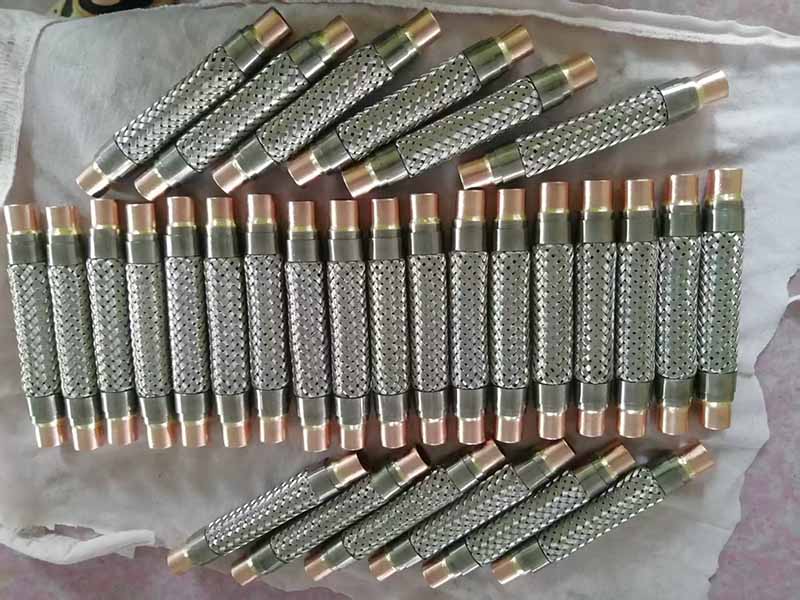
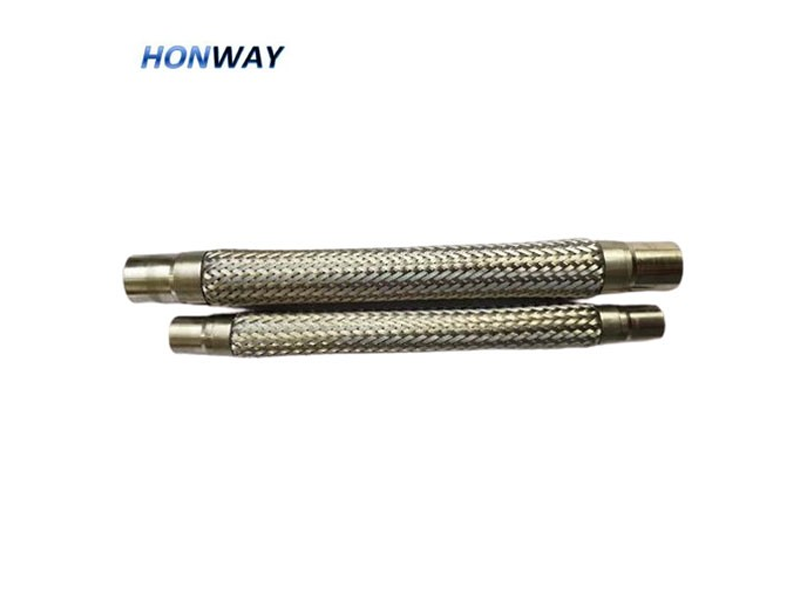
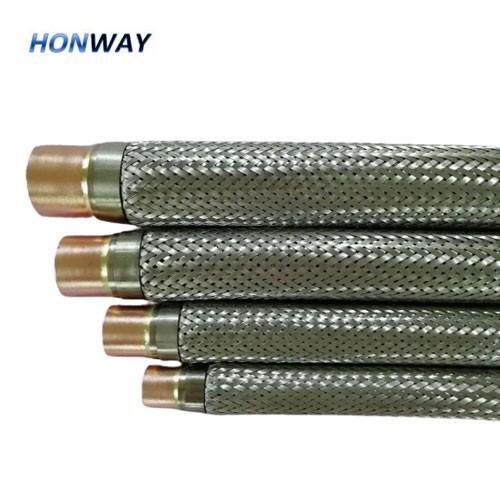
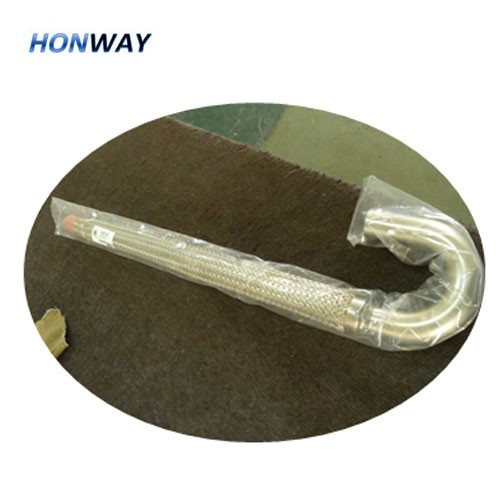
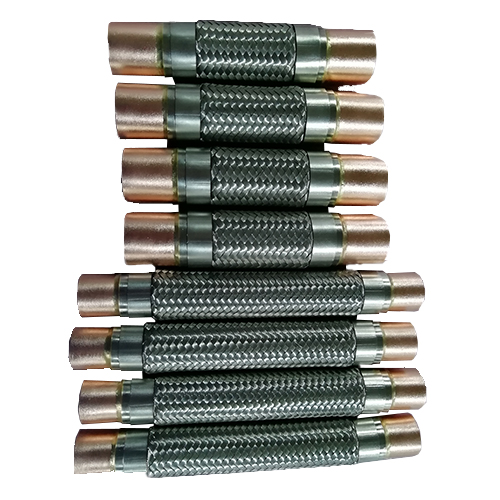
When purchasing refrigeration components, vibration absorbers are often treated as standard parts—ordered simply by confirming connection size, length, and quantity. However, in CO2 refrigeration systems, this approach can overlook critical risks. The operating pressures, pressure pulsations, start-stop frequencies, and temperature fluctuations inherent in CO2 systems place higher demands on the flexible connection structure. A vibration absorber truly suitable for CO2 applications—specifically an all-stainless steel (All SS) model—must do more than just connect piping; it must absorb compressor vibrations during long-term operation, minimize fatigue at weld points, reduce noise transmission, and maintain a stable seal under high-pressure conditions.
More